
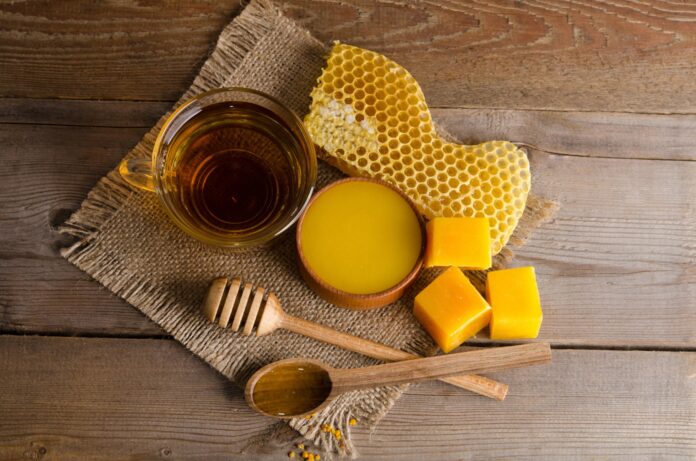
Most people do not know that beeswax is used in household products. Other than honey, this natural byproduct of the beekeeping industry can also be found in kitchens, storage solutions, candles, and even in common home maintenance products.
It has practical qualities that make it useful. It is:
- Stable
- Moldable
- Waterproof
- Long-lasting
We will tell you about the different ways in which beeswax products are put to use. This will help you determine where they really fit in your home.
Here are some of the more common ways of using beeswax products in the kitchen and at home.
Wraps for food storage

Beeswax wraps are a reusable plastic wrap alternative. They are prepared by rubbing a piece of cloth with beeswax. This forms a pliable surface that becomes soft from the warmth of your hands.
You can use beeswax wraps to:
- Cover bowls and containers
- Wrap cut cheese, vegetables, or fruit
- Wrap up sandwiches or baked items.
They are most effective with foods that do not require an airtight cover. Wraps also help in preventing condensation without losing moisture. This is because beeswax is breathable.
However, do not use beeswax wraps with raw meat or food that is very hot. The heat can melt them. To clean the wrap, just use cold water, gentle soap, and air dry.
Specialty candles
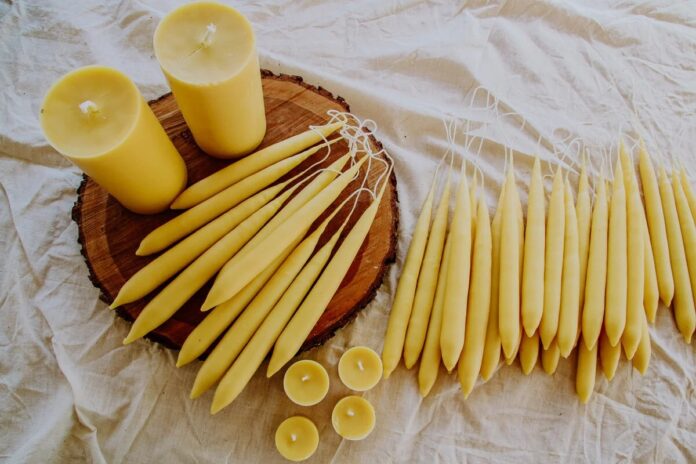
Beeswax is used to make candles for different uses. They include the following:
Lighting candles
Beewax candles are popular in most households for lighting. Beewax burns slowly. It also retains its shape well compared to other candle materials.
Practical uses include:
- Table candles for dining
- Emergency light sources
- Low-drip candles in enclosed holders.
Beeswax has a higher melting point compared to many wax blends. Hence, its candles will drip less when properly utilized. You can control burn behavior with trimmed wicks and suitable holders.
Beeswax ear candles
Beeswax also makes Ear Wax Candles . This is a specialty candle product, which is made by coating fabric with beeswax to the point of making a hollow, tapered shape.
Some individuals use these candles for removing earwax and toxins. Users claim that the flame’s heat creates a chimney effect. This generates a low-level suction that removes impurities. But like any beeswax candle products, check the quality of the beeswax used. Also, follow the instructions to use them well.
Kitchen use candles
Beeswax candles are commonly used in the kitchen because they have a neutral smell. This is important during cooking or eating, as intense smells may disrupt food smells.
Common kitchen uses include:
- Lighting during a power outage
- Lighting in the early mornings or evenings
- Use on dining tables. The smell does not overwhelm food smells.
They are stable. As a result, they can be used in areas where you do not want soft or fast-melting candles.
Conditioning wood surfaces
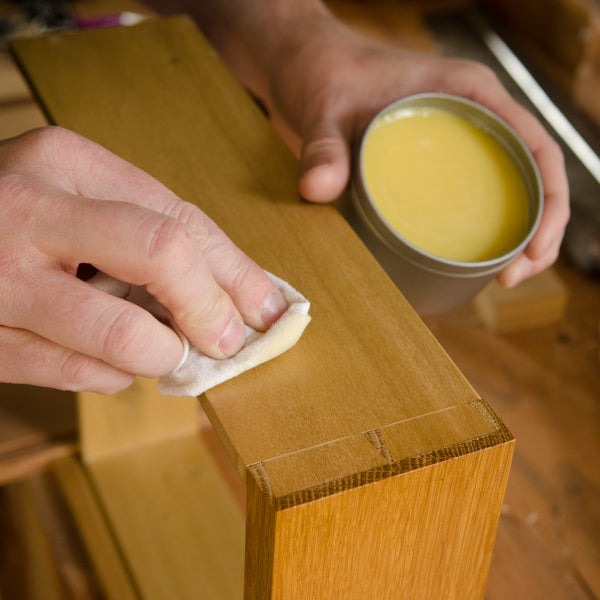
Beewax is also used in natural wood polishes and conditioners. It protects the surface against moisture.
Beeswax-based polishes can be applied to:
- Cutting boards
- Wooden spoons and bowls
- Countertops
- Drawer runners and cabinet edges.
The wax forms a thin protective layer and does not leave behind an oily residue. Light application regularly may help lengthen the life of the frequently used wooden objects.
Drawer and tool maintenance
Beeswax is commonly used as a lubricant for sticky surfaces. Practical uses include:
- Sticky wooden drawers
- Cabinet doors that rub
- Hand tools requiring rust protection.
A drop applied to contact points can help minimize friction. It also prevents the dust collection that sometimes occurs with liquid lubricants.
Fabric and thread care
Beeswax is usually used to condition and reinforce thread or cord. Uses include:
- Sewing or repairing thread
- Conditioning laces or draw strings
- Protecting natural fibers against fraying.
Beeswax may be used in home repair kits. For example, to allow the thread of fabric to slide through and to make knots tighter.
Sealing and protecting
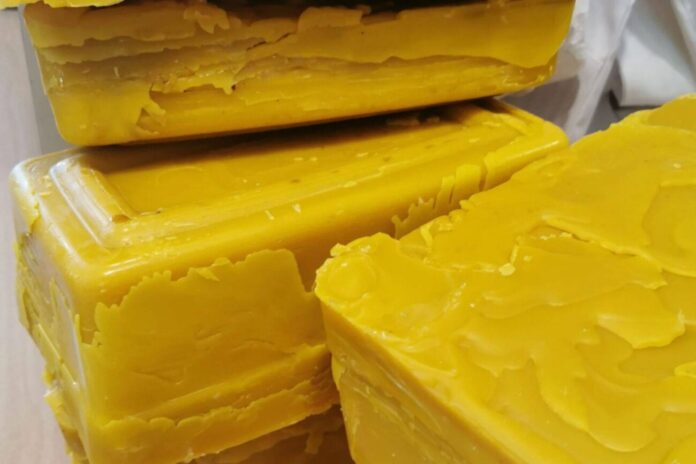
Beeswax may also serve as a light sealant in some domestic tasks.
Examples include:
- Sealing corks or wooden lids
- Preventing moisture ingress in screw threads
- Lining small metallic objects to store them.
Beeswax keeps the water out. That makes it useful in temporary protection during low-stress conditions.
Craft and repair projects
Beeswax is used in small craft or repair projects in many households.
Common uses include:
- Conditioning leather items
- Stabilizing loose screws on wood
- Protecting labels or tags against moisture.
It is particularly handy when you need a firm substance for coating sparingly and can clean it up later as required.
Last words
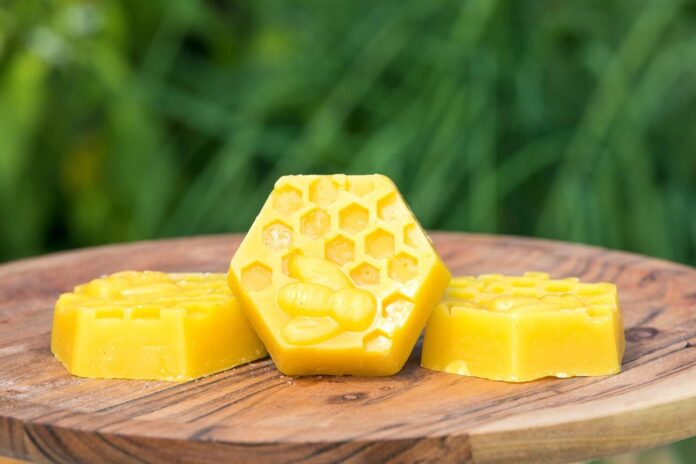
Beeswax products fit within the kitchen and home since they are practical. Here is how you can maximize the benefits of beeswax products:
- Keep out of the heat and direct sunlight.
- Wash gently to avoid stripping the wax off.
- Use low temperatures unless you want to melt the product on purpose.
- Store in a cool, dry place.
- Use proper holders and safety measures.
Beeswax products can remain stable. But temperature control is important for longevity.
Embracing beeswax products is more than just a practical decision; it is a commitment to a sustainable and non-toxic lifestyle. Unlike synthetic alternatives often filled with harsh chemicals, beeswax is completely natural and biodegradable.
This makes it an ideal choice for households with children or pets, as it leaves surfaces clean without introducing harmful residues. Whether used to preserve food or polish heirloom furniture, it supports a zero-waste philosophy by reducing reliance on single-use plastics and disposable items.
Furthermore, beeswax encourages self-sufficiency through DIY home maintenance. A small block can be melted down to waterproof canvas shoes, condition leather upholstery, or season cast-iron cookware.
Its subtle, sweet aroma also enhances the home’s atmosphere, offering a warm and inviting sensory experience. Ultimately, beeswax is a timeless, versatile material that connects traditional home care methods with modern eco-friendly living, proving that simple, natural solutions are often the most effective.